And why climate change alone doesn’t explain what’s happening
For years, water risk was sitting on the sidelines – at times acknowledged by governments and mentioned in corporate sustainability reports but rarely understood in full. Water risks were often considered of secondary importance to climate change assessments and mitigation measures.
Over the past years, that has changed.
Today, water risk is no longer a niche environmental concern. Water risks are now a defining factor shaping economic stability, business continuity, and social resilience across the globe. It’s affecting operations, supply chains, cities, and entire economies. And the pace at which these risks are increasing is catching many governments and organisations unprepared.
What we are seeing now is not a sudden crisis, but the result of long-building pressures colliding— and finally becoming impossible to ignore.
Water Risks Are Rising — Not for One Reason, but Many
The growing severity of water risk is often attributed to climate change alone. Climate change matters — but it is not the root cause. Instead, it amplifies systems that are already under strain.
1. Demand Is Rising Faster Than Systems Can Cope
Water demand is increasing globally — driven by population growth, urbanisation, industrial development, and agriculture. In many regions, this demand is outpacing the ability of water infrastructure to supply reliable water services, as systems are lacking, under-maintained or aging (and falling into disrepair).
In regions where water sources are not abundant and governance systems are weak, increased water demand remains unchecked. This leads to inefficient water usage, over-abstraction and depletion of groundwater, lakes and rivers – and growing competition between users — from cities and industry to farmers and ecosystems.
The result is not just water stress and unreliable water supply, but instability.
2. Pollution Is Increasing in Quantity — and Complexity
Water quality risks are escalating just as fast as quantity risks, only that they often aren’t as visible.
Water pollution is intensifying in both volume and toxicity. Industrial development has introduced new and more harmful pollutants, while municipal wastewater systems often lack the capacity to treat even basic loads.
According to the United Nations, around 80% of global wastewater is discharged untreated into the environment, polluting rivers, lakes, and coastal waters with nutrients, heavy metals, pharmaceuticals, and industrial chemicals.
In many countries, pollution control regulations exist on paper (if at all) but are weakly enforced even for “traditional” contaminants, while most countries are not equipped to handle emerging pollutants such as PFAS, microplastics, pesticides etc.
This creates compounding risks — higher treatment costs, health impacts, environmental impacts, regulatory and reputational risk exposure for companies operating in – or sourcing from – areas of high pollution.
The impacts of water pollution on public health, food supply chains and the environment is still under researched – so we only know the tip of the iceberg in terms of water risk exposure.
3. Floods and Droughts Are More Damaging Because Systems Are Weaker
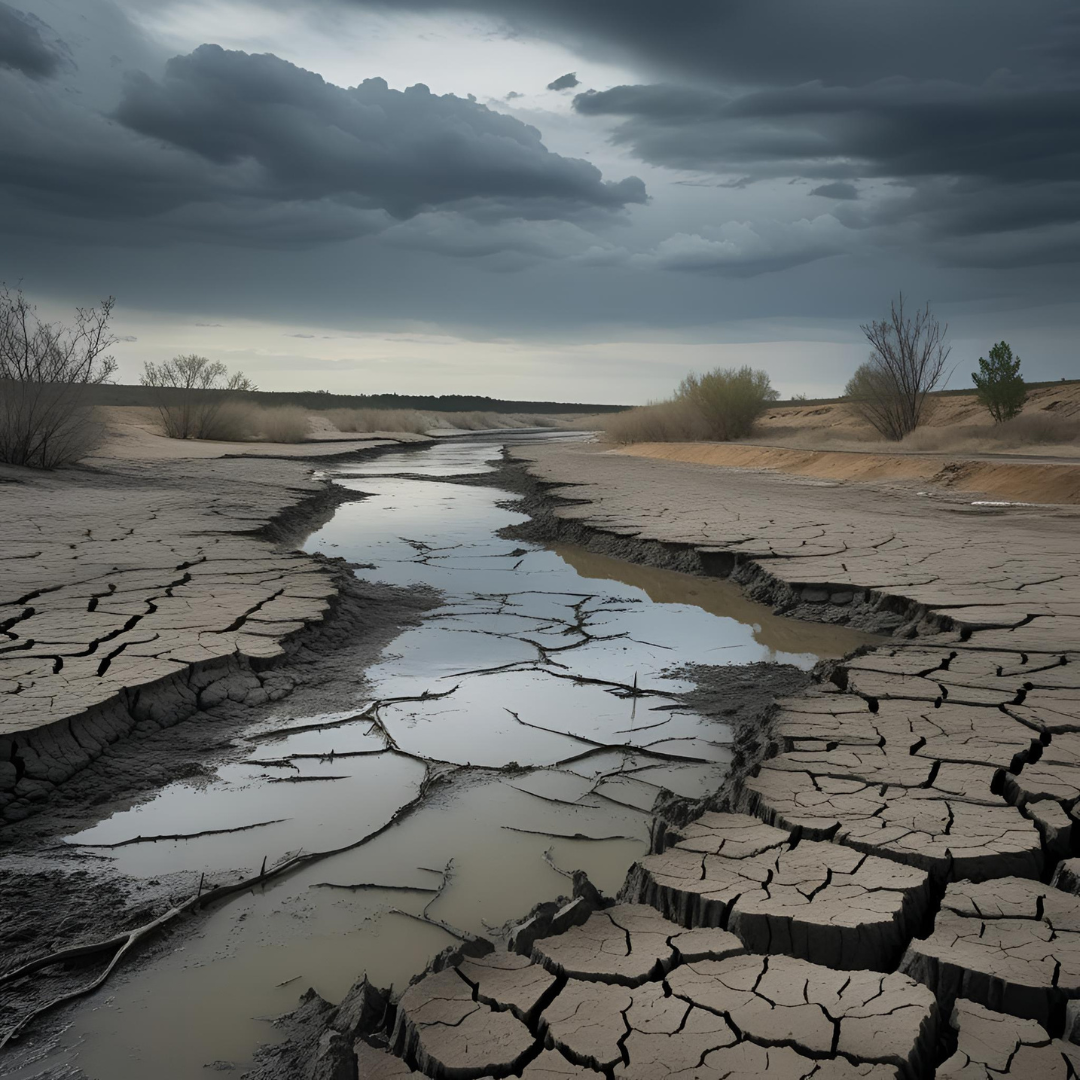
Extreme events, such as floods and droughts, are becoming more destructive not only because rainfall patterns are changing, but because natural buffers have been removed.
Deforestation, wetland destruction, river channelisation, and poorly planned urban expansion have stripped landscapes of their ability to absorb shocks. Housing and industrial developments are increasingly located in flood-prone areas due to land scarcity, dramatically increasing exposure.
When floods or droughts occur today, they hit harder, because resilience has already been eroded.
4. Climate change acts as a water risk multiplier
Climate change acts as a risk multiplier, reinforcing existing stresses and accelerating impacts rather than being the sole driver.
Understanding this distinction is important: Water risk cannot be addressed through climate action alone making integrated, system-level approaches essential.
Why Water Risk Now Ranks Among the World’s Most Severe Threats
These pressures are reflected clearly in global risk assessments.
For six consecutive years, water crises ranked among the top five global risks by impact in the World Economic Forum’s Global Risks Report.
More recently, water risks have become embedded across multiple environmental risk categories — yet still appear among the top global risks over the next decade, underlining their systemic nature rather than reducing their importance (World Economic Forum, 2025)
The Economic and Human Water Risk Exposure Is Rising Fast
According to WWF:
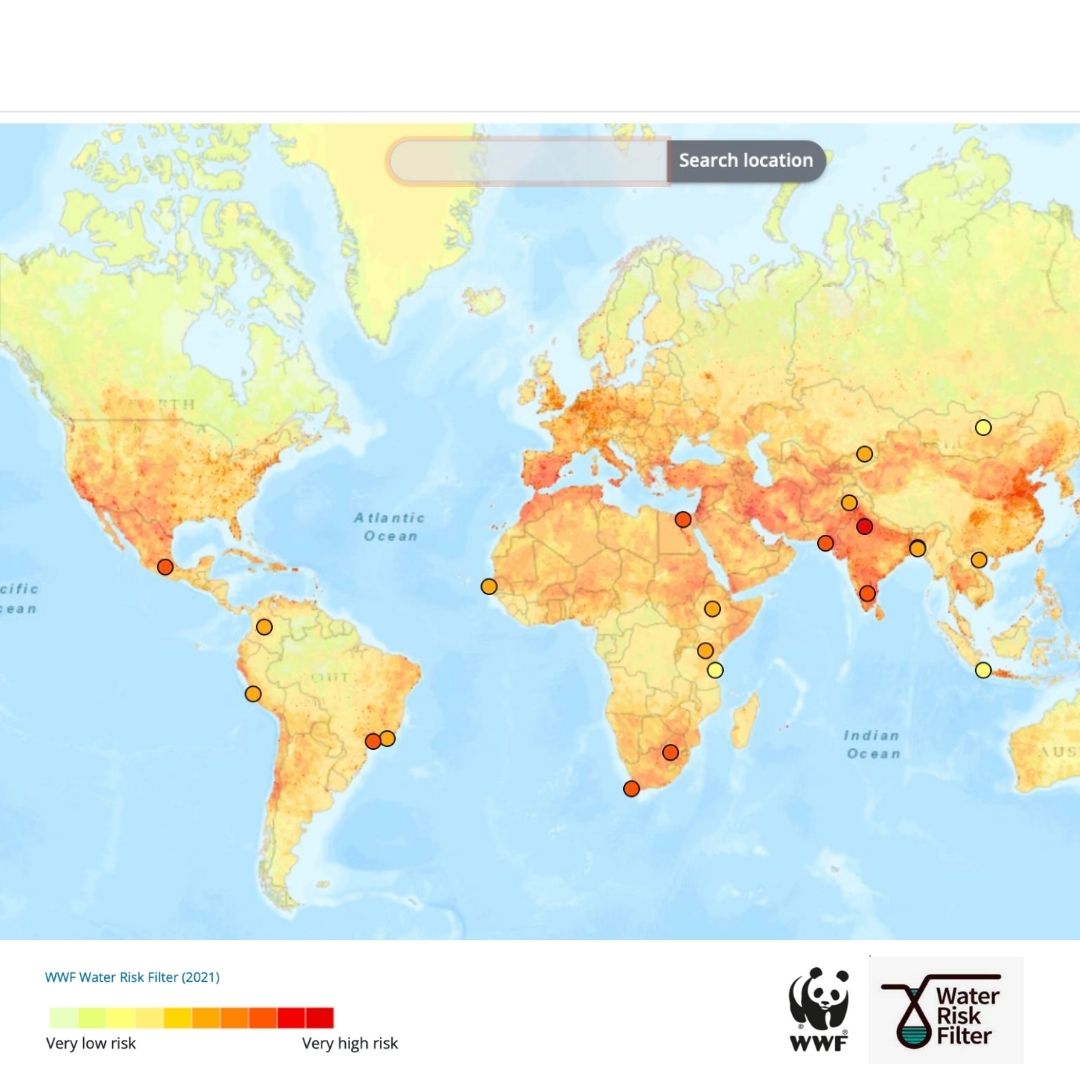
- Around 17% of the global population was exposed to high water risk in 2020 — projected to rise to over 50% by 2050
- Roughly 10% of global GDP was exposed to high water risk in 2020 — expected to increase to nearly 46% by mid-century
These figures point to a future where water risk is no longer a regional issue — but a systemic economic constraint.
From Abstract Water Risk to Real-World Impact
According to CDP, 69% of listed companies reporting through CDP state that they are exposed to water-related risks that could generate a substantive change in their business.
This is not a future problem. It is already happening.
The impacts are tangible:
- Higher operating costs
- Production disruptions
- Regulatory penalties
- Water supply interruptions
- Loss of social licence to operate
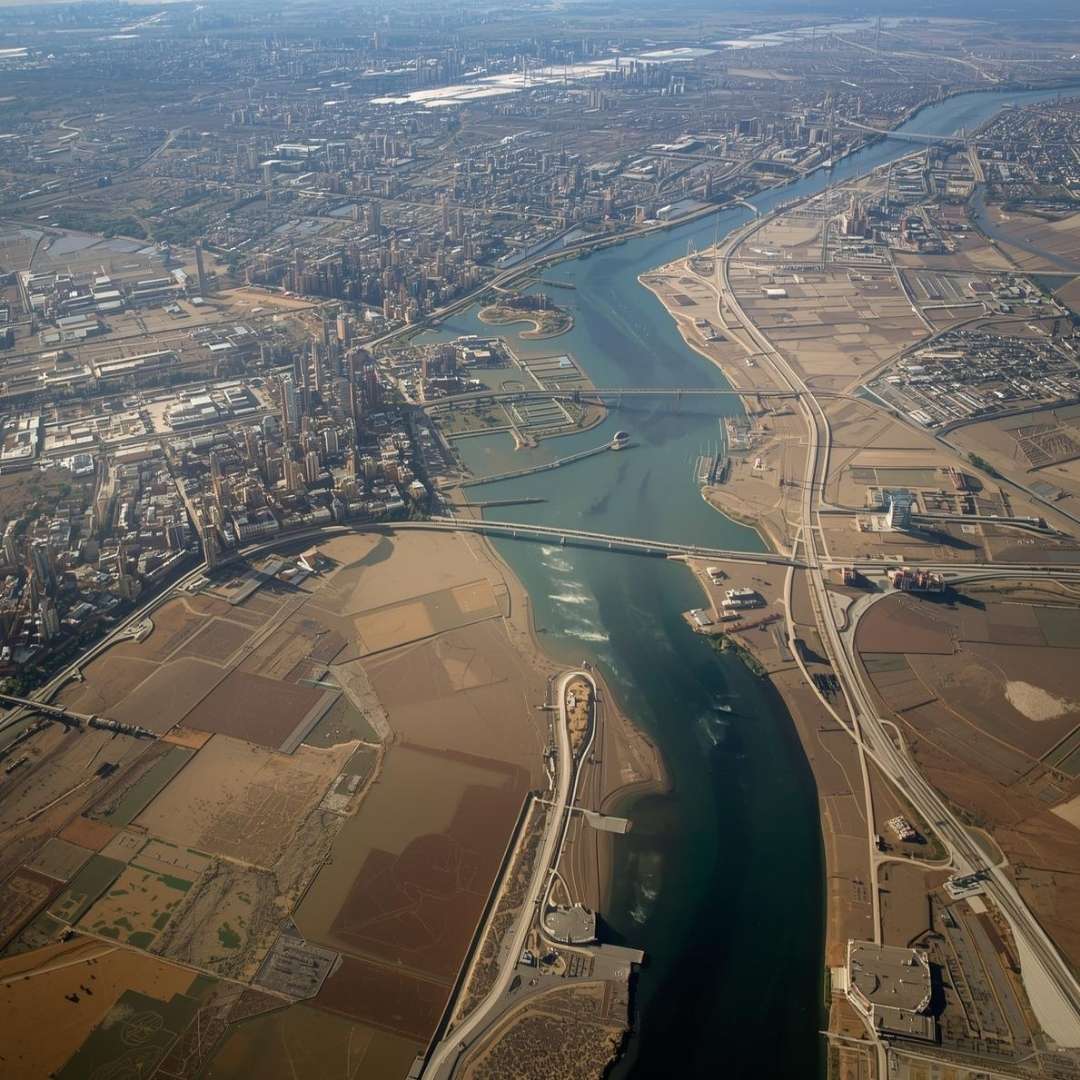
At the city level, impacts are even more visible. Some capitals and megacities are struggling to cope with escalating water risks — to the point where relocation of political and economic centres is being considered or implemented, as seen in Jakarta and discussed in Tehran.
Why Systems Thinking Is No Longer Optional
Water risk cannot be understood through general metrics or single lenses. What makes it fundamentally different from many other risks, such as GHGs, is its localised, interconnected, and deeply contextual nature — shaped by physical systems, infrastructure, governance, economic activity, and social dynamics that interact in complex ways.
Organisations are exposed to water risks through double materiality:
- Financial materiality: how water risks affect operations, costs, revenues, growth plans, and asset values
- Impact materiality: how business activities influence the environemnt and society , incl. water availability, quality, ecosystems, and the wellbeing of communities and workers
These double materiality dimensions are inseparable. A decision to secure water for operations can exacerbate scarcity downstream. Weak governance can amplify physical risks. Infrastructure failure can turn a manageable drought into a crisis. Actions taken in one part of the system often create unintended consequences elsewhere.
One KPI across multiple locations across the world may cause more harm than good.
This is why systems thinking is essential for water risk. It moves organisations beyond checklist-based assessments toward understanding root causes, interdependencies, trade-offs, and cumulative impacts across cities, river basins, operational sites, supply chains, and stakeholder groups. Only by seeing the full system can organisations understand their actual water risk exposure and identify effective interventions — and avoid solutions that solve one problem while creating another.
Action Is Accelerating — and Capability Needs Are Growing
Recognising that no single organisation can solve these challenges alone, leading companies are increasingly collaborating through multi-stakeholder initiatives and committing to basin-level action and shared accountability, such via the Water Resilience Coalition and the World Bank’s 2030 Water Resources Group.
This shift from awareness to action is creating a parallel shift in demand: the need for people who can assess, interpret, and act on water risk credibly.
Not more single KPI dashboards gathered from free water risk tools — but professionals who understand how hydrology, infrastructure, governance, economics, and strategy interact in real-world contexts.
Why Water Risk Matters for Organisations — and for Professionals
For organisations, water risk is now a strategic question — not a reporting exercise.
For professionals, this moment represents both a responsibility and an opportunity: to build the capability needed to support better decisions in an increasingly water-constrained world.
Those who can move beyond fragmented knowledge and apply water risk thinking in practice will be central to shaping resilient businesses, cities, and systems in the years ahead.
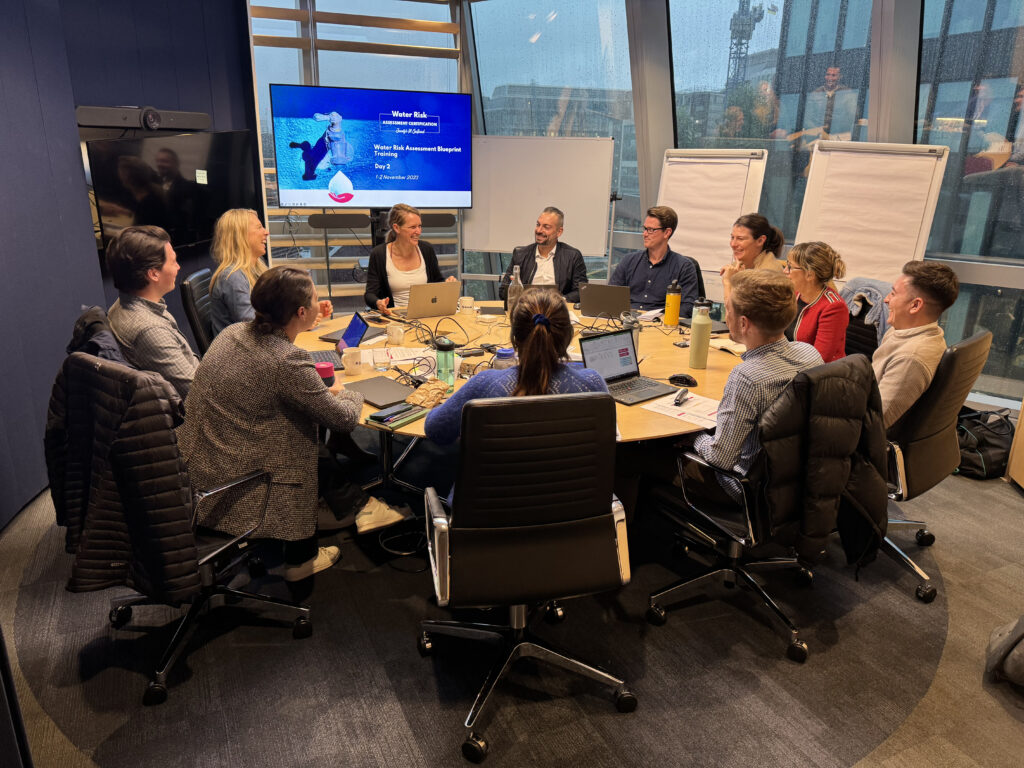
If you want to build this capability in practice, explore our water risk training programmes designed to translate real-world experience into decision-ready skills.
Want to Go Deeper?
If you work with water risks — or are expected to — understanding how these dynamics connect in practice is becoming essential.
You can explore deeper insights, case examples, and practical frameworks in our Water Risk Newsletter, where we share applied perspectives from real-world advisory and assessment work.
Sign up for free HERE (top left corner)
Share this perspective
Water risk is evolving faster than many organisations’ ability to understand and respond to it. If this article is useful for colleagues or peers working on water, sustainability, risk, or strategy, feel free to share it within your network.
Better decisions start with better understanding — and water risk is one area where informed dialogue matters.